Peter Harrop interview by Peter Ward
The Gremlin years and beyond.
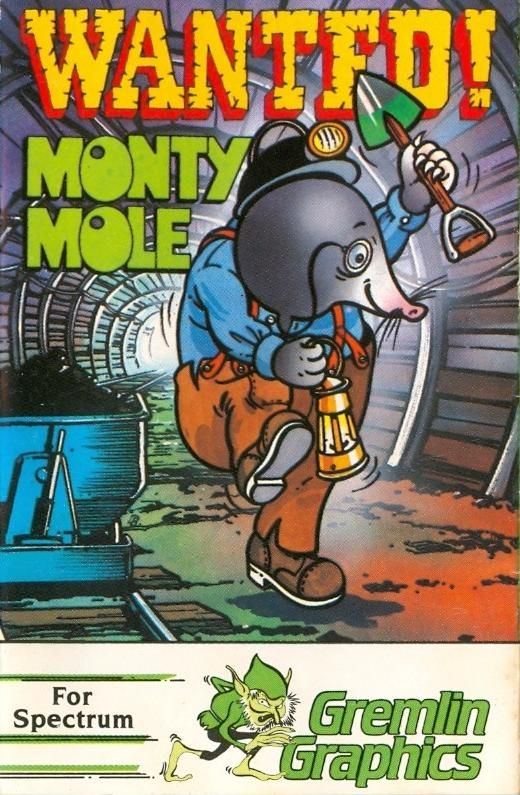
RGM: Wanted: Monty Mole had a very distinct “British” feel to it. Where did the inspiration for the coal mine setting come from? Was it a conscious decision to lean into the political climate of the UK at the time, or just a coincidence?
PMH: My dad was on strike, we had very little money available and I was writing a game about a mole who we all know “digs” for things. So it made sense for my young self to vent my frustrations into what I was creating. To heat the house, you needed coal back then especially if you were a mining family. So Monty was definitely going to need to get some coal from the “empty” mines. I didn’t think it would make the news though, I was just being me.
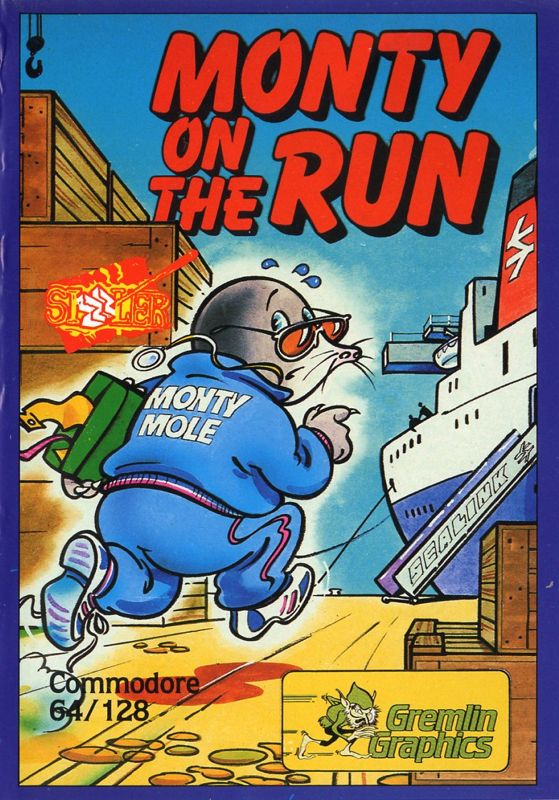
RGM: Monty on the Run is often cited for its incredible Rob Hubbard soundtrack on the C64. When you were coding the Spectrum version, did you feel the pressure to match that atmospheric intensity despite the hardware differences?
PMH: No not at all. I had decided what music should be in there which was the Dick Barton theme, matching the feel I wanted. Rob composed something similar as copyright wouldn’t allow that tune to be used. He improved on it in my opinion, clearly he saw what it was I wanted the music to convey. I was very jealous of SID but what was important was at least one platform with the audio I felt matched the game. I.e. I’m being chased, it’s urgent, run run run as fast as you can…

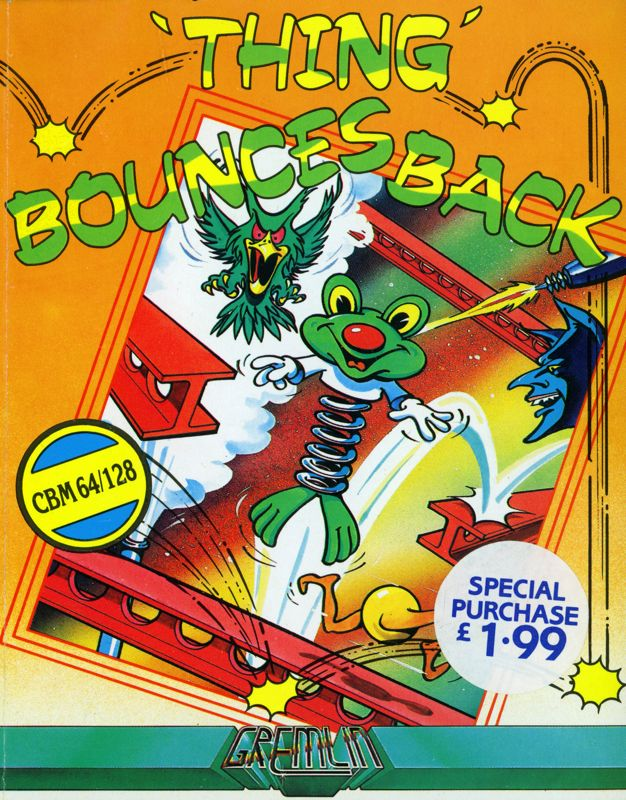
RGM: Can you tell us about the development of Thing on a Spring? The character animation was so fluid for its time. Was that a particularly difficult sprite to animate given the limitations of the C64?
PMH: Thing was just one of the enemies I popped into MOTR. But it was definitely a fun character so I animated him more fully. The only difficulty really was fat pixels which made the spring a bit harder to get right. But – multi colour helps a lot.
RGM: Grumpy Gumphrey, Mansion Warden is a bit of an unsung hero in the Gremlin library. How did the idea for a “work-simulation” style game come about so early on, and do you think it paved the way for more complex adventure games?
PMH: That was really all Shaun Hollingsworths creation, I think it was a merge of people he’d known over his career before writing software. Shaun also loved to figure out complex drawing functions, masking, sort order etc.
RGM: Death Wish 3 was quite a controversial title at the time due to its violence. What was the atmosphere like in the studio while working on a licensed property that was so much “grittier” than Monty Mole?
PMH: Surprisingly light hearted. A lot of focus on the technical difficulties, the animations etc which didn’t leave much time to think “this is a bit dark”. Then, because we penalised people for shooting innocent bystanders, I added a “low score” option and the ability to keep shooting a grandmother – riddled with bullets. In a sense, think the Black “tis but a scratch” Knight.
RGM: H.E.R.O. on the MSX is often considered one of the best versions of that game. When working with the MSX, did you feel like you were tapping into a more “global” market compared to the very UK-centric Spectrum scene?
PMH: Sorry if this disappoints people but no, the MSX we thought of as being an upgraded Spectrum but still a Spectrum. So no effort made to make things have more of a global appeal, just follow our instinct to use extra hardware so it could never have a “but why didn’t they use …” attached to it.
RGM: You were involved with MASK and Venom Strikes Back. Licensed games are notoriously difficult due to tight deadlines. How did you manage to maintain Gremlin’s high standards of playability while working under the clock for those big brands?
PMH: you’ve pretty much reached the end of my Gremlin career, around this point we’d left to form Teque Software and later Krisalis. I’ll strike out those questions.
RGM: Soccer Kid is a technical marvel on the Amiga. The way the ball interacts with the environment was very sophisticated. How much “physics” coding went into that compared to your earlier 8-bit sports titles?
PMH: A lot more cpu intensive work needed, rather than just a simple simulation of a ball with gravity and some “swerve” this needed pixel perfect collision, slope detection, friction etc. The two test beds for getting it right were “keepy uppies” and kicking it into a basketball hoop. If it could do that we had a game.
RGM: Actua Soccer was a massive leap into 3D. Was there a moment of “imposter syndrome” when the industry shifted from sprites to polygons, or did you find the transition natural?
PMH: No. I hated it. Although I did eventually come to see the advantages it wasn’t until the polygon count became high enough that I truly thought they were “good”. I still miss the days of “will it look better if I change this pixel?”
RGM: You’ve seen the industry go from cassettes and Sinclair Joysticks to 4K HDR and cloud gaming. Is there any part of the modern development process that makes you miss the days of POKEing memory addresses and loading screens?
PMH: recompile times under 1 second. Yeah I do miss those fast turnaround times and the bare metal problem solving. That’s why I’m a big fan now of the retro games being created by the same kind of enthusiastic amateurs like I was back in the 80s. The games were simpler but also strangely complex and compelling.
RGM: Finally, for the fans: if Monty Mole were to make a comeback in 2026, what kind of game do you think he would be in?
PMH: There’s Dreamtime Monty being developed for the Spectrum Next which I was lucky to have an early play on, that’s pretty much a solid Monty game and a strong testament to the character’s appeal. Personally I’m working on one when I can spare time where Monty “M” has retired from “active” duty and instead has created an organisation called the “Ministry of Unique Moles”, MUM for short. My mum helped me design Monty in the first place. There are 4 mole agents of MUM, each with similar abilities to MOTR Monty but some extras. It’s just a labour of love that hopefully will see itself published, Spectrum Next only.
Agents of MUM.
Richard Montbatten
Alphonse Moletti
Hattori Mogura
Erik McMole
We really appreciate you sharing these memories with us. Your journey is a huge part of why we do what we do at RGM!