Articles from Techtravels Amiga Blog

Reverse engineering the LCD interface

So I was having trouble getting the LCD working initially, so I ended up probing a working HDMI to LCD converter board sold by adafruit. You see, this board was driving my LCD just fine, but my FPGA couldn’t do diddly. So I wanted to see what I was missing.

This proved more difficult because of these 40-pin FPC connectors. Not sure what the pitch is, but it’s really freakin’ close together.

With a lighted magnifier (3x diopter?), and sharp o’scope probe, I was able to isolate individual pins on the 40-pin, long enough to hit the stop button on the scope.

Working on the User Flash Memory

So the Altera Max 10 FPGA we’re using has 256kbits of User Flash Memory. This is non-volatile memory that is built into the actual FPGA itself. This means you don’t need any external memory to get the FPGA to boot itself.

Launch of HOPE Badge Computer project

This is the first post of many in this category.

We have a project page giving the general goals of the project, but most of the hands-on action will happen here in the blog posts. For the latest status, reading these real-time blog posts will give you the best understanding.

We welcome feedback and commentary on the project.


My new i7-4790k Desktop build

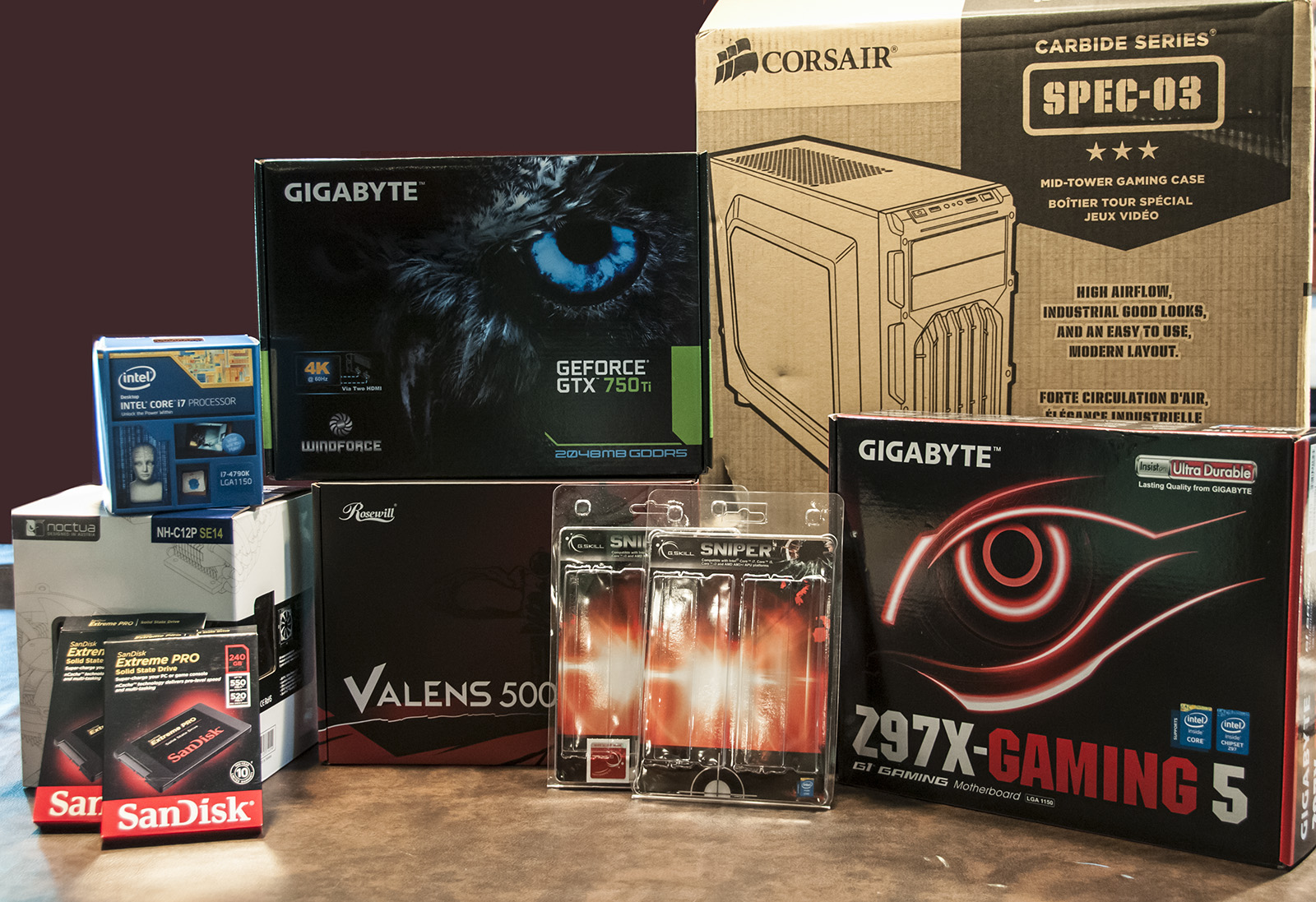
pcparts

I needed some more horsepower for my FPGA compiles, and because it’s been so long since my last PC build, I decided to take advantage of some free time I had, and build a new machine.

This machine is a quad-core i7 build with 32GB of DDR3 and (2) 240GB SSDs.

Pages